Blog

Blog

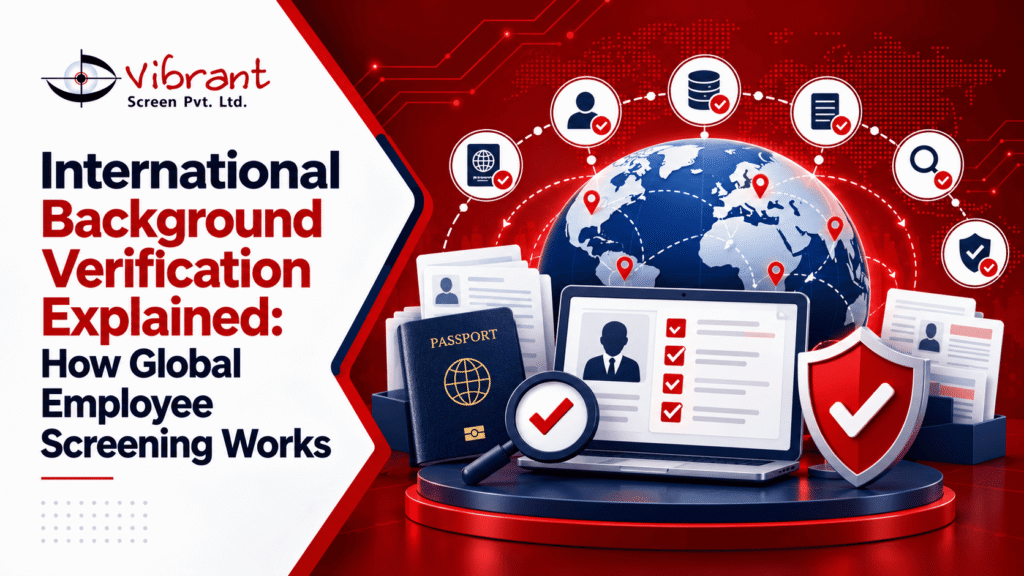
International Background Verification Explained: How Global Employee Screening Works

Hiring across borders gives companies access to a wider talent pool, but verifying a candidate’s history becomes more involved when their education, employment, or other records come from different countries. International background verification requires HR teams to navigate varied verification sources, documentation systems, privacy requirements, and administrative workflows. A structured approach helps companies verify relevant […]
Blog

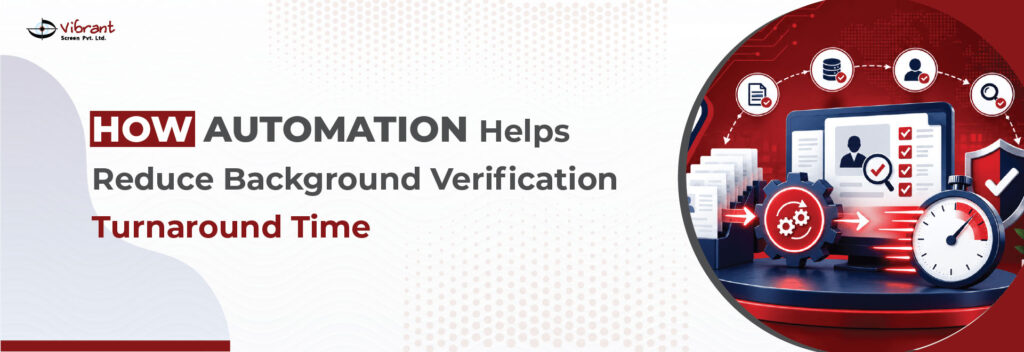
How Automation Helps Reduce Background Verification Turnaround Time

A background check for employment should support hiring, not become a bottleneck after a candidate accepts an offer. Traditional verification can slow the process through manual document collection, repeated follow-ups, data entry, multiple verification sources, and disconnected HR workflows. As hiring volumes grow, these administrative steps can place additional pressure on HR teams and delay

Blog

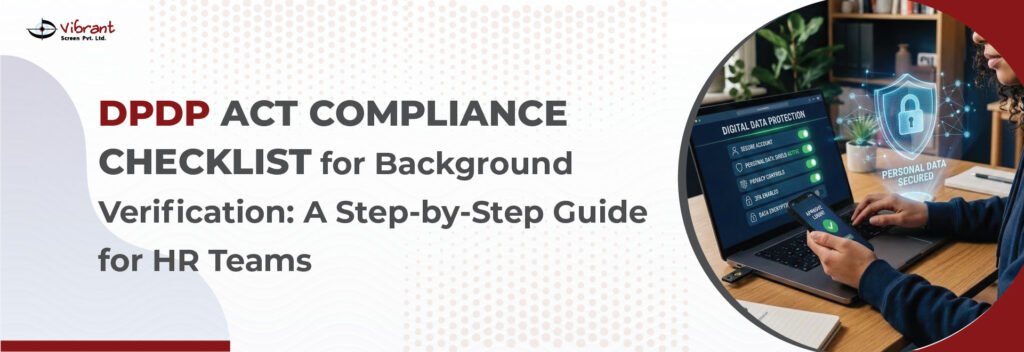
DPDP Act Compliance Checklist for Background Verification: A Step-by-Step Guide for HR Teams

What Does DPDP Compliance Mean for Background Verification?  ​Under India’s Digital Personal Data Protection (DPDP) Act, HR teams must collect, process, store, and delete candidate data responsibly. When conducting background checks, including identity, education, employment, and address verifications, the employer acts as the Data Fiduciary, the candidate is the Data Principal, and the background verification

Blog

Why Every Business Needs a Background Verification Company

Hiring the right people is one of the most important decisions any business makes. In today’s competitive job market, organisations often focus on filling vacancies quickly to avoid disruptions and maintain productivity. However, while hiring speed is important, hiring safely is equally critical. A single wrong hire can have far-reaching consequences. It can impact team

Blog

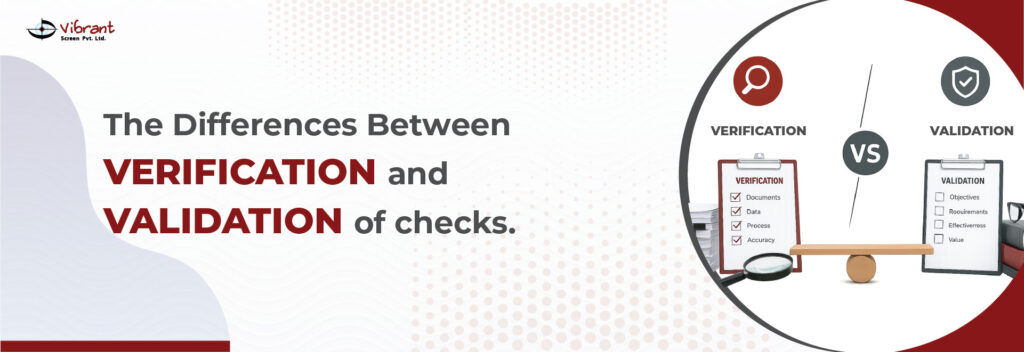
The differences between verification and validation of checks.

The Core Alignment of Risk and Evidence ​Most companies complete their pre-employment screening checks only to find that a candidate who cleared the baseline process still turns out to be a poor fit or, worse, presents an immediate safety threat. This creates a frustrating paradox for HR: the administrative boxes were checked, yet the hire

Blog

Financial Background Checks for Employment: Assessing Organisational Risk and Compliance

​Securing modern enterprise networks and proprietary data assets requires a highly thorough onboarding pipeline for all specialised personnel. This industry-wide change comes as a direct response to the increasing complexity of credential inflation and unauthorised employment documents. ​To safeguard corporate property and ensure continuous regulatory alignment, businesses rely on a structured system of employee background

Blog

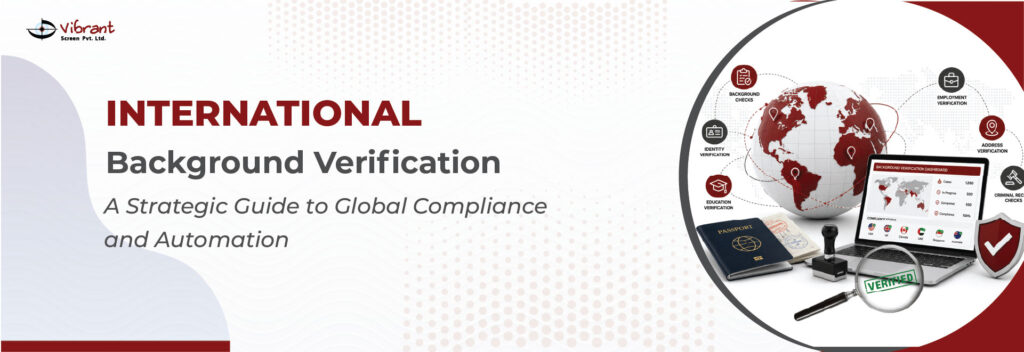
International Background Verification: A Strategic Guide to Global Compliance and Automation

Understanding the Need for Global Verification ​International Background Verification (IBV) is the systematic process of validating a candidate’s professional, educational and criminal history across jurisdictional borders. As organisations move toward decentralised, borderless hiring, the ability to confirm identity and integrity on a global scale has moved from a “nice-to-have” HR checklist to a core business

Blog

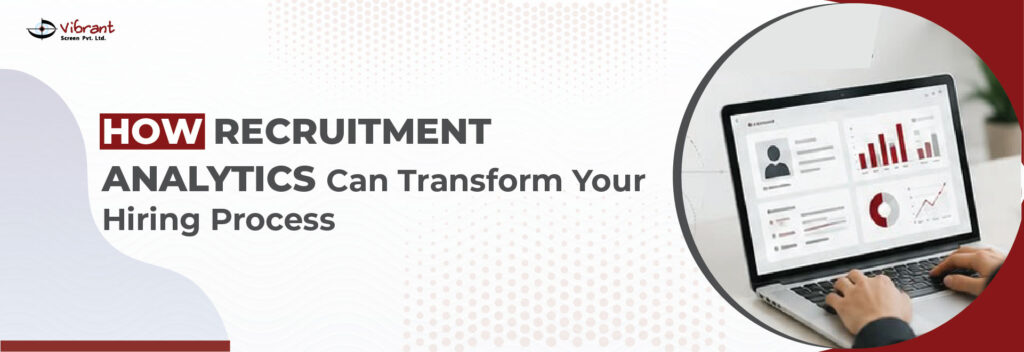
How Recruitment Analytics Can Transform Your Hiring Process

The Shift to Data-Driven Hiring ​Traditional hiring often feels like a shot in the dark. You review a resume, conduct a couple of interviews and hope for the best. But hope is not a business strategy. Modern recruitment has pivoted toward analytics to remove this guesswork. Why are the world’s most successful companies moving toward

Scroll to Top